Botox
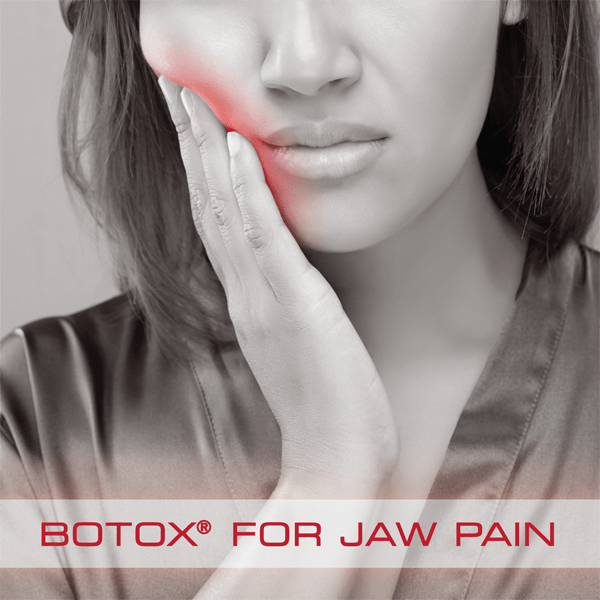
Botox, commonly associated with cosmetic treatments, has found valuable applications in the field of dentistry. Dentists are increasingly utilizing Botox to help their patients manage various dental issues. One primary use is in the treatment of temporomandibular joint disorder (TMJ), a condition characterized by jaw pain and dysfunction. Botox injections can relax the muscles around the jaw, providing relief from TMJ-related discomfort. Additionally, Botox can be employed to alleviate bruxism, a condition where patients unconsciously grind their teeth, leading to dental damage and pain. By injecting Botox into the muscles responsible for clenching and grinding, dentists can effectively reduce the intensity of these actions, preserving the integrity of the teeth and providing relief to patients.
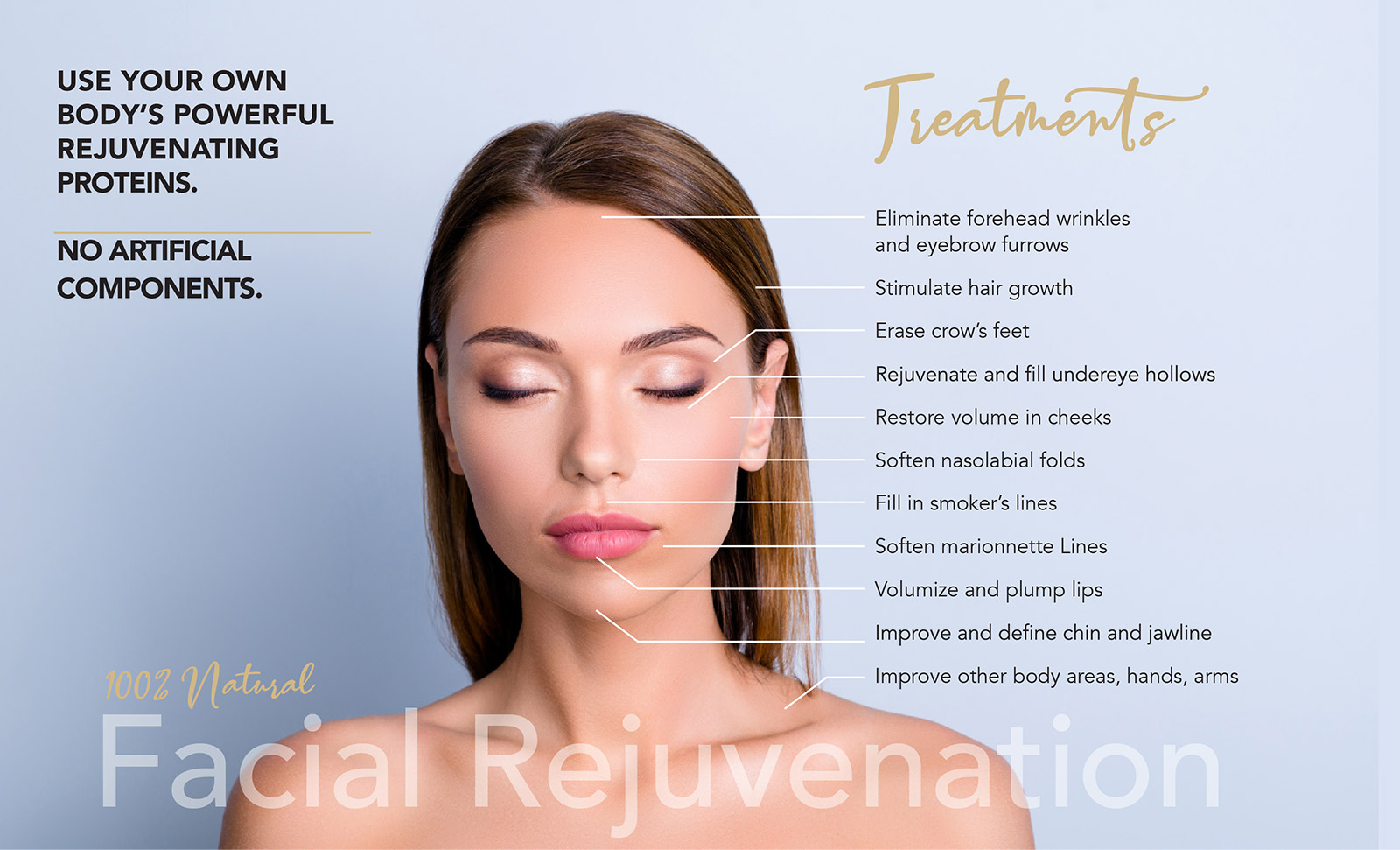
Furthermore, Botox has proven beneficial in enhancing the aesthetic aspects of dental treatments. Dentists can use Botox to complement smile makeovers by reducing gummy smiles, minimizing the appearance of wrinkles around the mouth, or even aiding in the adjustment of lip posture to improve overall facial aesthetics. These non-surgical procedures offer patients a convenient and minimally invasive way to achieve a more harmonious and pleasing smile. As dentistry continues to evolve, the incorporation of Botox represents a versatile tool in enhancing both the functional and aesthetic aspects of dental care, providing patients with comprehensive solutions to their oral health needs.

.jpg)

